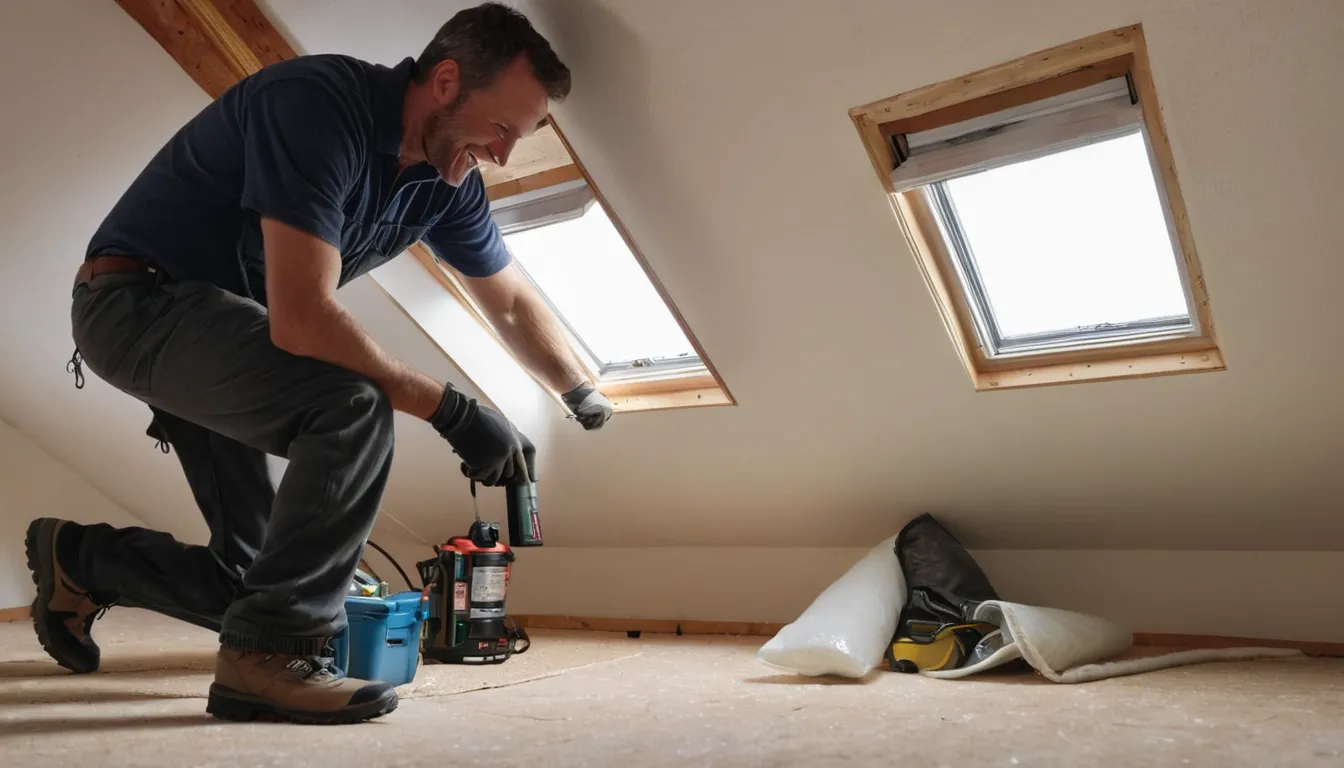
Rodent & Wildlife Removal for Your Home
Noises in the ceiling at night. Droppings in the pantry. A torn vent screen on the side of the house. These are signs that something has moved in, and it will not leave on its own.
Phoenixaside Pest Control is a referral service. The work is done by independent providers, not by us. We explain your options in plain words, show what you can safely do first, and connect you with a provider in the Mentor area. The provider inspects the home, handles the animals, and helps seal the entry points so they cannot return. You stay in charge of the plan and the schedule.
Not sure what you are dealing with? Start with the request form. Tell us what you see and hear, and we will point you toward a provider who handles that kind of problem. There is no obligation to hire anyone.
Animals in the Walls or Attic? Start Here
Stop and listen first. Note where the sound is, what time it happens, and whether it is light scratching or heavy thumping. That small note helps a provider a lot.
Then keep your hands out of it. Do not poke at nests or corner an animal. A scared raccoon or a cornered rat will bite.
Why Waiting Costs You More
Rodents chew. Wires, pipe lines and insulation all get damaged. Gnawed wiring is a real fire risk inside a wall.
A small group can also grow quickly. Mice breed many times a year. A problem you ignore in fall can be a crowd by midwinter.
Signs You Can Check Yourself
Grab a flashlight and take a slow walk around the house. Look for these clues:
- Droppings along baseboards, in drawers, or near the water heater
- Grease smudges along walls where rodents run
- Chewed boxes, wires, or food bags
- Greasy or torn insulation in the attic
- Gaps, holes, or bent vent covers outside
- Odd smells that get stronger over time
Wear gloves and a mask
Dried droppings can carry germs. Wet them with a cleaner first, wipe them up, and bag them. Never sweep them dry.
Which Animals Are We Talking About?
Providers in our network commonly handle a mix of animals.
Mice and rats
Mice leave small, rice-sized droppings. Rats are bigger and often use the attic or crawl space. Both squeeze through tiny gaps.
Squirrels and raccoons
Squirrels like attics and soffits. Raccoons can tear vents and flashing, and may use a chimney. Heavy thumping in daylight or at dusk often points to one of these.
Bats, opossums, and others
Bats and some other animals have special rules. Do not seal anything until you know what is inside.
Seal It, Then Call
There is a right order. If you seal holes first, an animal can get trapped inside. It may die in the wall or chew a new way out.
So call a provider before you close anything on a suspected nesting spot. Sealing is the last step, after the animals are out.
How the Work Usually Goes
A provider inspects the attic, crawl space, basement, and roofline. They look for entry points and signs of nesting.
Next comes the plan. Options may include traps, one-way exits, or exclusion work. Then repairs, cleanup, and a follow-up visit to confirm the animals are gone.
Humane Handling and Local Rules
Many animals are protected, and rules on trapping or moving them vary. Babies in a nest add another wrinkle, since a parent may need to be reunited with them.
Ask the provider how they follow local and state rules. A good provider explains this without being pushed.
Plan Around Life
Busy house? Say so up front. Ask for a visit window that fits school runs and work. Ask which parts need you home and which do not.
Mention pets and kids too. A provider can place traps and bait where little hands and noses cannot reach.
Know Your Options
Before anyone starts, ask these questions:
- What is causing the problem, and how did it get in?
- Will you trap, exclude, or both?
- What repairs are included?
- Is there a follow-up visit?
Picking a Provider
Get the plan in writing. Ask about licensing where your state requires it, and about insurance. Compare two quotes when you can.
Be wary of anyone who wants to start before they inspect, or who only offers poison for an animal in a wall.
Keeping Them Out for Good
Here is a weekend checklist that works in older frame houses, bungalows and ranch homes:
- Trim branches back from the roof
- Cap the chimney
- Cover vents with sturdy metal screen
- Fill small gaps with steel wool and sealant
- Store food and pet food in tight bins
- Clear clutter from the basement and garage
Think about the seasons
Cold snaps push animals indoors. Spring flooding and heavy storms can drive them from burrows and into your basement or crawl space. Check sump areas and foundation cracks each season.
Insurance Questions
Some policies may cover sudden damage. Others do not cover damage from animals that nest over time. Check your policy. Providers can often help document damage for a claim.
What's Included
Inspection and Entry Points
A provider checks the attic, crawl space, and roofline to find how animals are getting inside.
Humane Removal
Traps and one-way exits that follow local rules and protect baby animals.
Exclusion Repairs
Sealing gaps and screening vents so animals cannot return once they leave.
Cleanup and Follow-Up
Droppings and nesting cleanup, plus a recheck visit to confirm the problem is solved.
Typical Rodent and Wildlife Removal Costs
Prices depend on the animal, how many there are, and how hard the space is to reach. These are typical U.S. ranges only. Always get a written quote before work starts.
| Item | Typical range | Notes |
|---|---|---|
| Inspection | $100 – $300 | Often applied toward the job |
| Mouse or rat treatment | $150 – $600 | Depends on visits needed |
| Squirrel or raccoon removal | $300 – $800 | Trapping or one-way exit |
| Bat exclusion | $500 – $3,000 | Seasonal rules may apply |
| Entry point sealing | $200 – $1,500 | Size of home matters |
| Droppings cleanup | $300 – $1,500 | More if insulation is soiled |
How It Works
Tell Us What You Hear
Share what you see, hear, and where. Use the request form, or request a callback to check provider availability.
Get Matched Locally
We connect you with an independent provider in your area who handles this problem.
Review the Written Plan
The provider inspects and explains the plan, the repairs, and the price.
Provider Does the Work
The provider removes the animals, seals entries, and schedules any follow-up visit.
Why Call Phoenixaside Pest Control
Plain-Language Options First
We explain the choices before anyone shows up, so you know what to expect.
Local Providers
You are matched with independent pros who work in your area and know local rules.
Built Around You
Tell us your schedule, pets, and kids, and ask providers to plan around them.
No Obligation
Request an estimate, compare, and decide at your own pace with nothing to sign.
Other Services
Need rodent & wildlife removal in Mentor?
Tell us what you are seeing and where. Send a quick request and ask for an estimate with no obligation. Prefer to talk it through? Request a callback to check provider availability.
No obligationRodent & Wildlife Removal FAQ
How do I know if I have mice or rats in my walls?
Listen for scratching at night and look for droppings, grease marks, and chewed items. Mice leave small droppings. Rats leave larger ones. A provider can confirm what you have and where they are getting in.
Can I just seal the hole myself?
Not yet. Sealing first can trap animals inside, where they may die or chew a new way out. Have a provider confirm the animals are gone, then seal entry points with metal screen, steel wool, and sealant.
Does homeowners insurance cover wildlife damage?
It depends on your policy. Some policies may cover sudden damage, but many exclude slow damage from nesting animals. Check your policy, and ask providers to help document damage for a claim.
Request a callback
Tell us what you are seeing and where. Send a quick request and ask for an estimate with no obligation. Prefer to talk it through? Request a callback to check provider availability.
No obligation